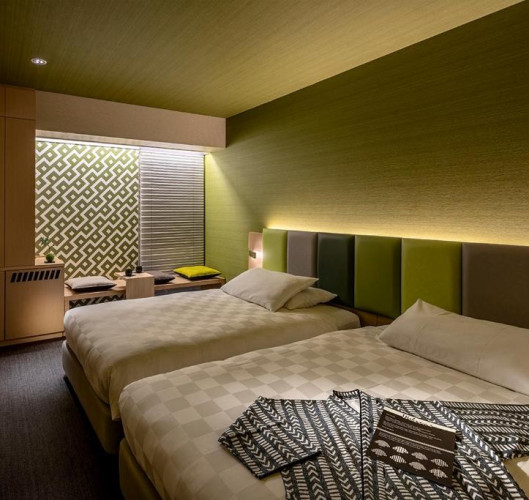
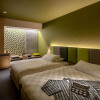
Hakata Tokyu Rei Hotel
A stylish, modern hotel located just minutes from Hakata Station, offering a direct subway access to Fukuoka Airport.


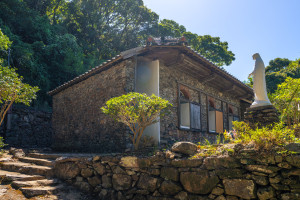
Embark on an inspiring 7-day pilgrimage and historical exploration into the heart of Kyushu’s unique Christian heritage. This curated journey traces the profound history of Japan’s Hidden Christians (Kakure Kirishitan), spanning centuries of faith, resilience, trial, and eventual peaceful restoration.
From the vibrant, historical port town of Hirado to the dramatic coastlines of Nagasaki, the hot spring sanctuaries of Unzen, and the remote island beauty of Amakusa, you will trace the footsteps of martyrs, saints, and early missionaries. Beyond sacred sites, this experience features intimate moments of community, art, local dining, and quiet reflection set against western Kyushu's most breathtaking landscapes.
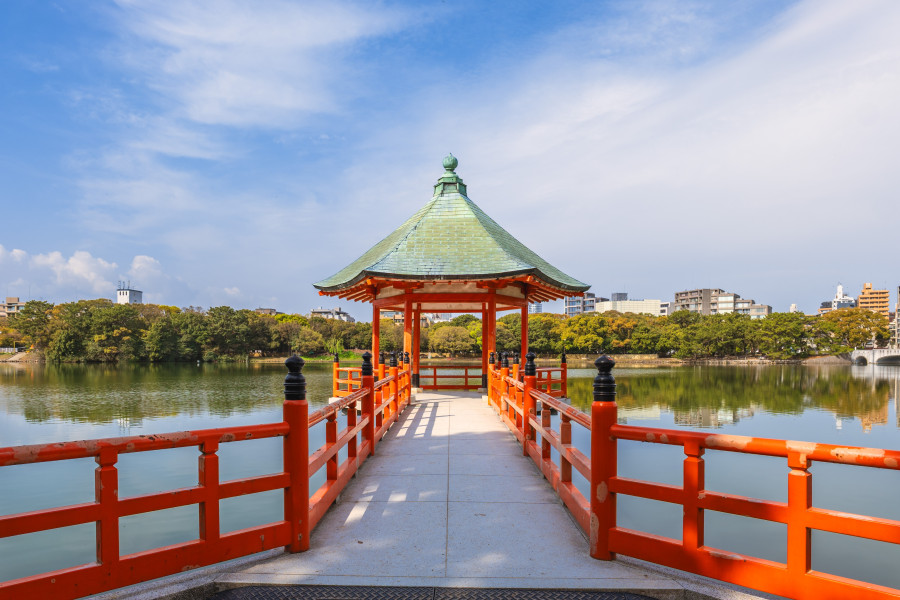
Welcome to Kyushu! Upon arrival at Fukuoka Airport, you will be met by your tour host and transferred toward central Fukuoka. Check into the comfortable Hakata Tokyu Rei Hotel and spend the evening relaxing or exploring the surrounding Hakata area at your leisure to ease into your journey.
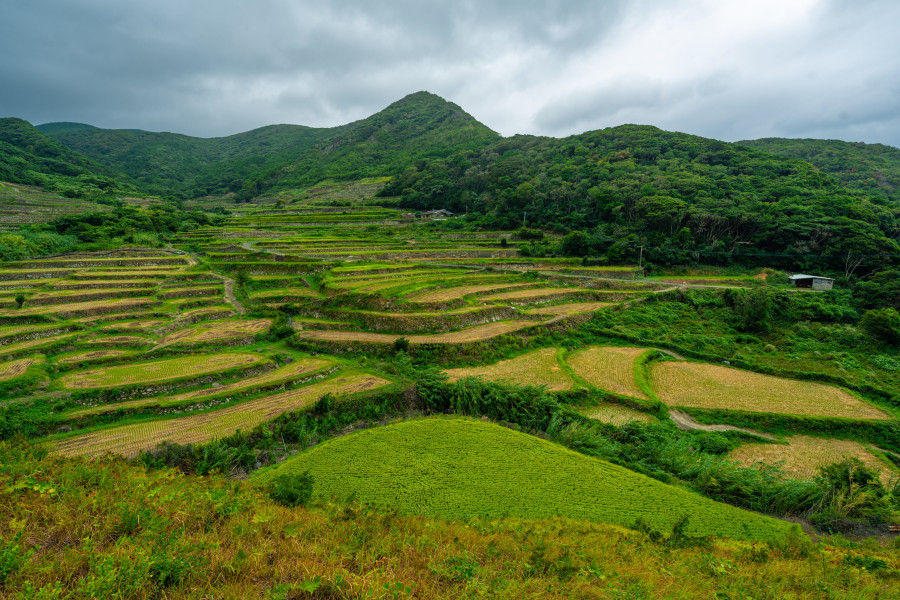
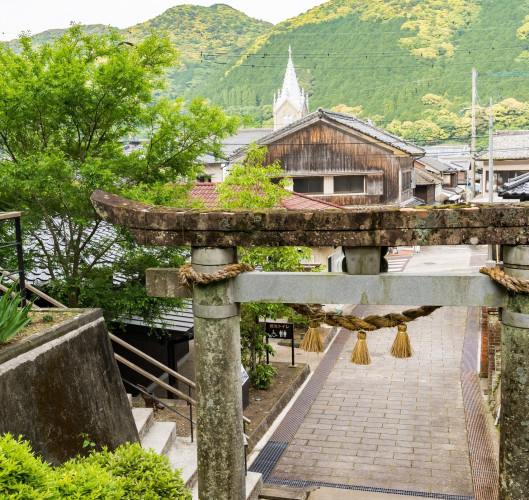
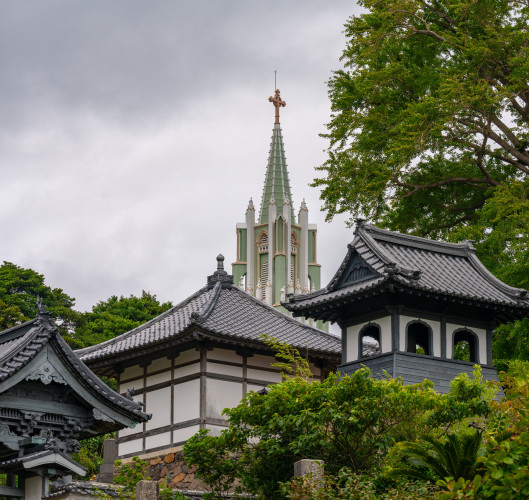
Depart Fukuoka heading west toward the island town of Hirado, an early gateway of foreign trade and Christian mission work in Japan. Marvel at the distinct spires of St. Francis Xavier Memorial Church set amidst traditional Japanese temple views. Enjoy a local lunch at Chobo-tei Toranotsuki before taking a stroll through the breathtaking Kasuga Rice Terrace Fields, where early Hidden Christians practiced their faith in secret while working the land. Conclude the day with a transfer to the soothing hot-spring town of Ureshino.
Nestled on the western coast of Hirado Island, Kasuga Village is a picturesque UNESCO World Heritage site renowned for its stunning terraced rice fields that cascade down to the sea. For centuries, the local community practiced their faith in secret as "Hidden Christians," preserving sacred natural sites like Mount Yasumandake without building physical church structures. As part of our visit to this tranquil landscape, we will take a guided walking tour to learn about its unique heritage and pause for a quiet moment of reflection.
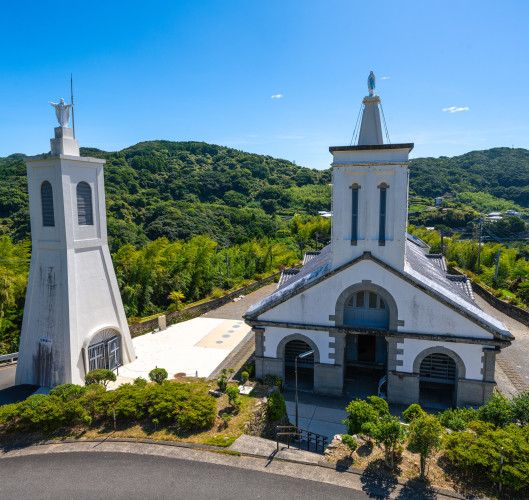
Situated on a scenic hill overlooking Hirado, the St. Francis Xavier Memorial Church was built in 1931 and is famous for its striking pastel-green Gothic spire. Originally named Hirado Catholic Church, it was later renamed to honor the Jesuit missionary who introduced Christianity to Japan in 1550. As part of our itinerary, we will stop for a brief visit to admire its unique architecture, where traditional Japanese temples and iconic Western spires overlap in a single iconic view.
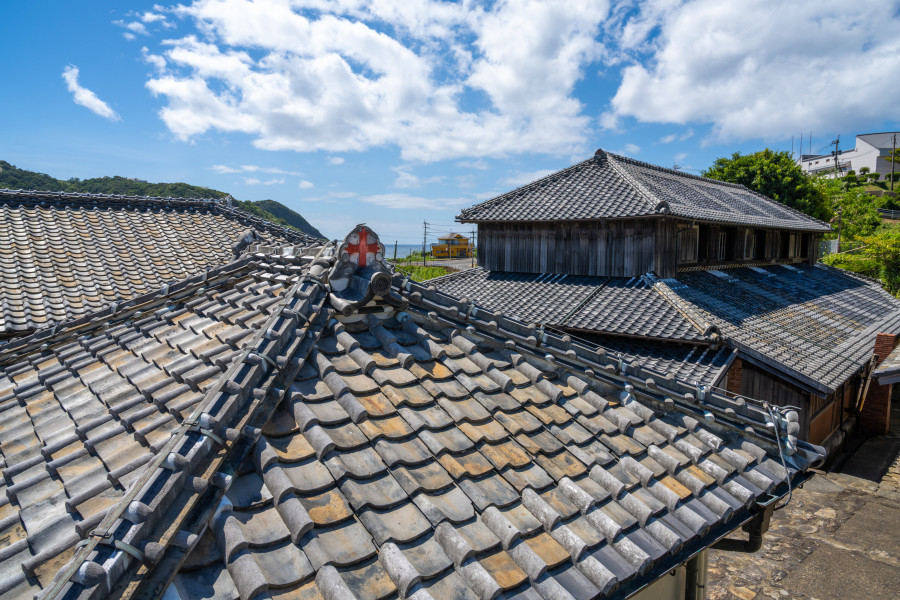
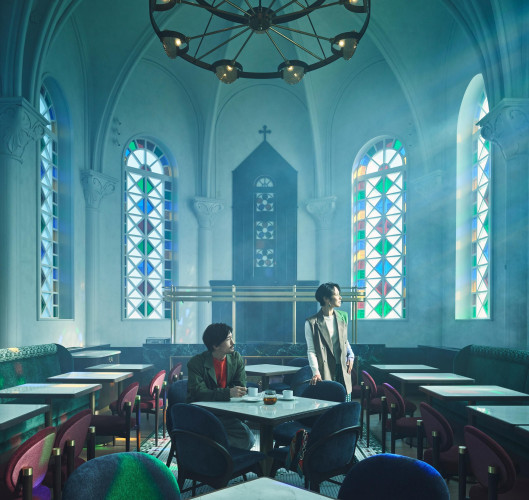
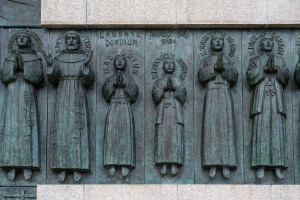
Journey south toward Nagasaki along the rugged Sotome coast—a primary sanctuary for early Hidden Christians. Visit the Former Shitsu Rescue Shelter and Shitsu Church, constructed under the guidance of Father Marc Marie de Rotz. Arriving in Nagasaki city, participate in Mass at St. Philip Nishizaka Catholic Church and pay tribute at the Site of the Twenty-Six Japanese Martyrs, visiting the adjacent museum dedicated to their legacy. In the late afternoon, check into the sophisticated Hotel Indigo Nagasaki Glover Street, set in a beautifully restored historic district. Conclude your day with a welcome dinner served within the hotel's dining hall—an extraordinary venue transformed from a historic red-brick chapel structure.
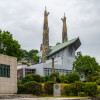
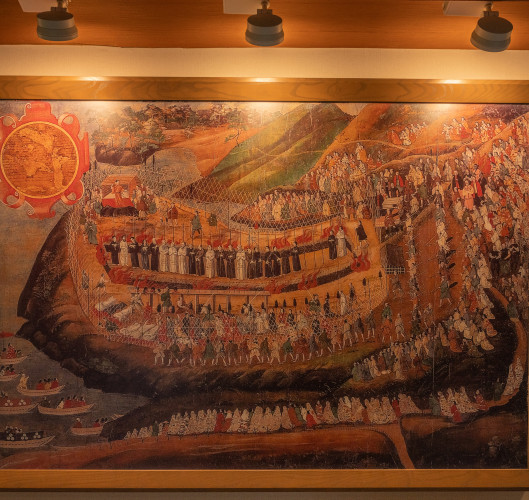
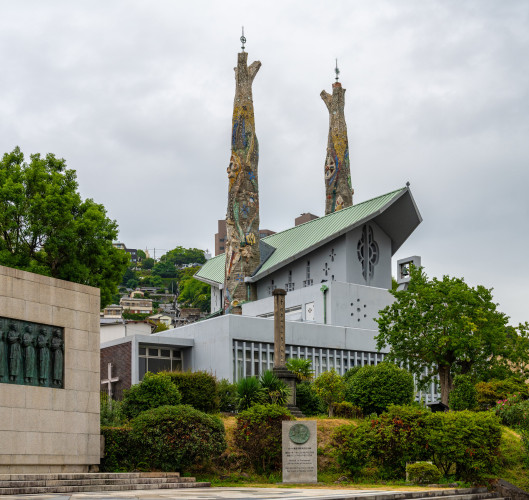
Located on Nishizaka Hill in Nagasaki, Japan, St. Philip Nishizaka Catholic Church was built in 1962 to commemorate the 26 Christian martyrs who were executed on the site in 1597. Designed by renowned Japanese architect Kenji Imai, the church features a distinct modern facade with twin mosaic-tiled towers inspired by Antoni Gaudí. As part of our visit to this sacred pilgrimage site, we will gather together to participate in Mass.
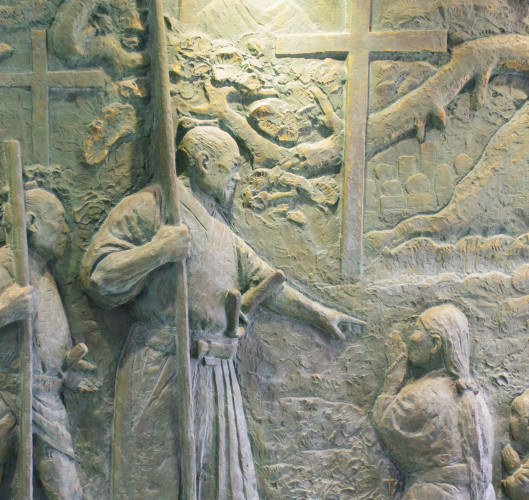
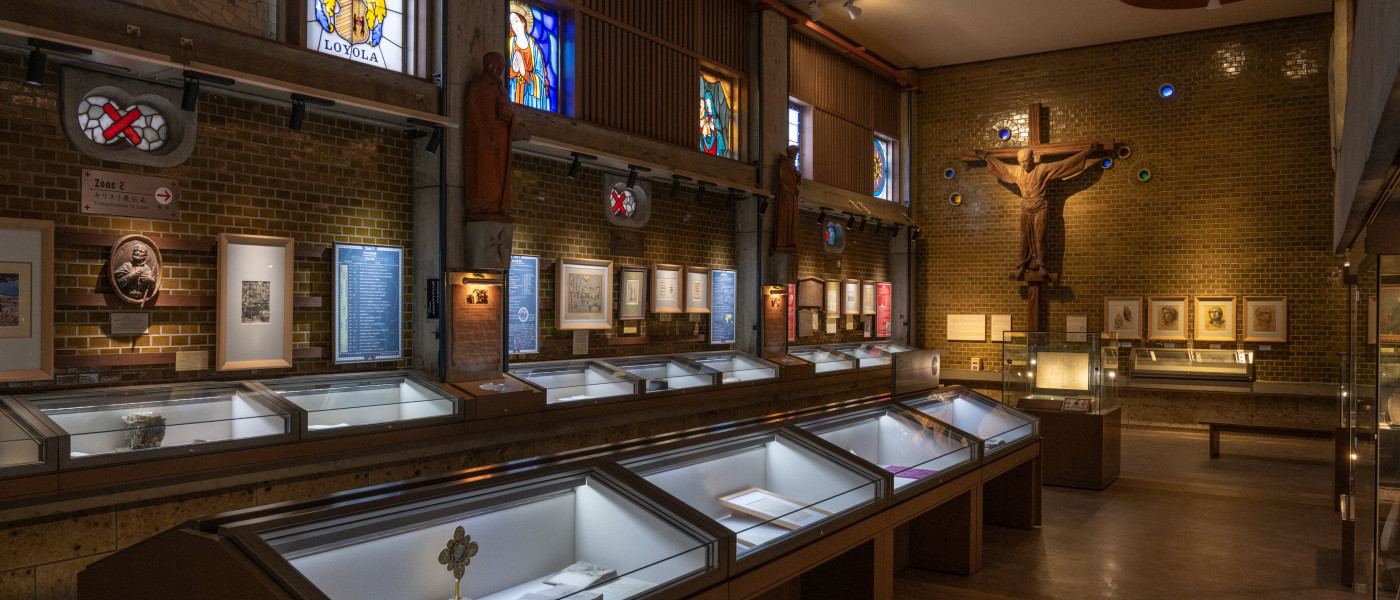
Located on Nishizaka Hill in Nagasaki, Japan, the Twenty-Six Martyrs Museum stands directly adjacent to the historic execution site of 1597. Opened in 1962 alongside the neighboring St. Philip's Church, the museum displays rare artifacts, hidden Christian relics, and historical documents that chronicle the arrival and persecution of Christianity in Japan. As part of our visit to this memorial site, we will be given an exclusive guided tour led by the museum's director.
Located in the picturesque Sotome district of Nagasaki, Shitsu Catholic Church was built in 1882 under the direction of Father Marc Marie de Rot, a French missionary who dedicated his life to serving the local community. Recognized as part of a UNESCO World Heritage site, the church features a simple, resilient architectural design built to withstand coastal typhoons while preserving the legacy of Japan's "Hidden Christians." As part of our visit to this tranquil sanctuary, we will stop to offer a personal prayer and reflect on its deep spiritual history.
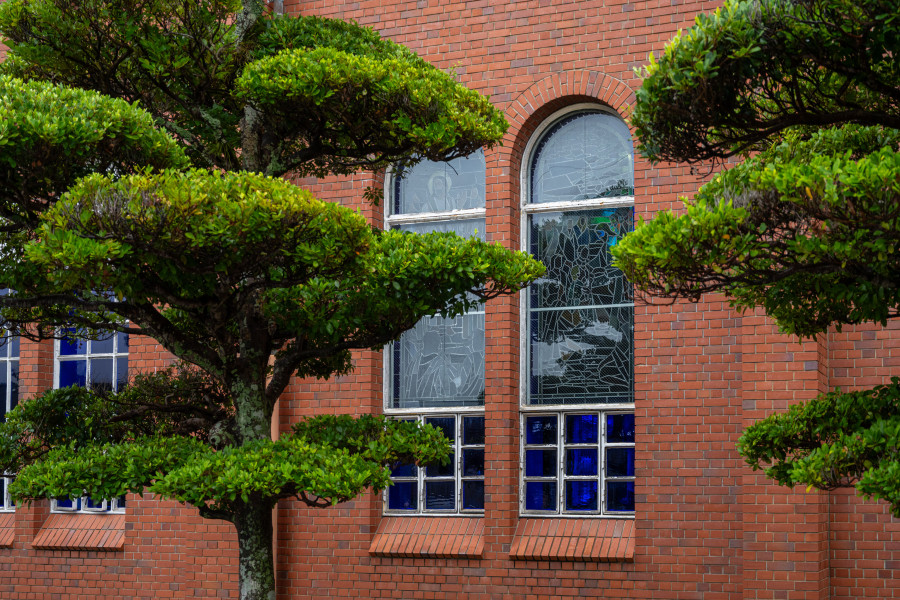
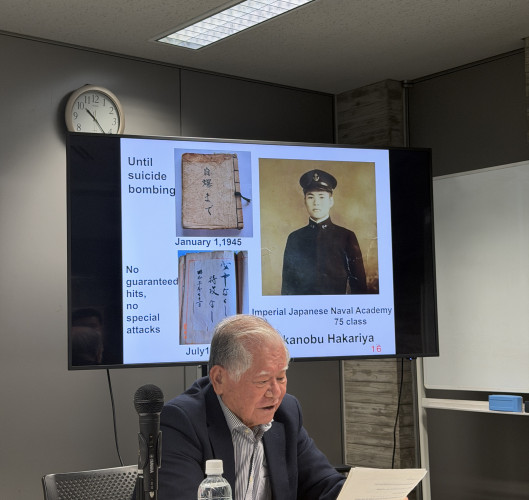
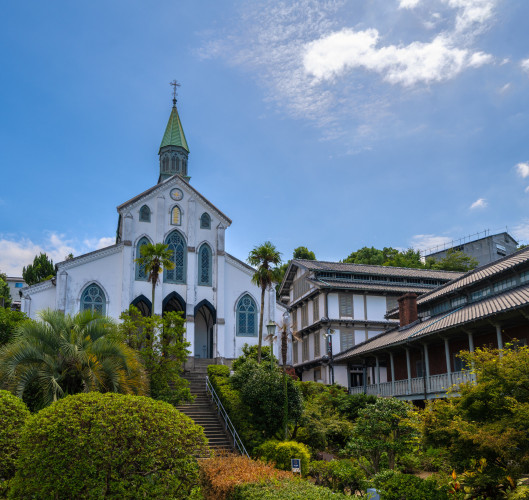
A deeply meaningful day in Nagasaki begins just steps from your hotel at Oura Cathedral—Japan's oldest standing church—and the adjacent hillside of Glover Garden. Shift focus to modern history with a sobering visit to the Nagasaki Atomic Bomb Museum and the Peace Memorial Hall, where you will have the rare honor of hearing testimony directly from an Atomic bomb survivor (hibakusha).
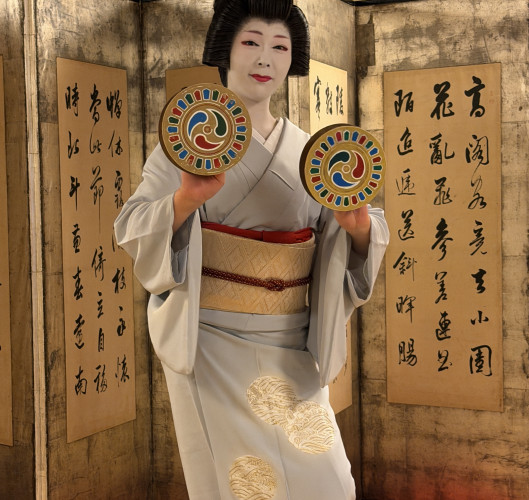
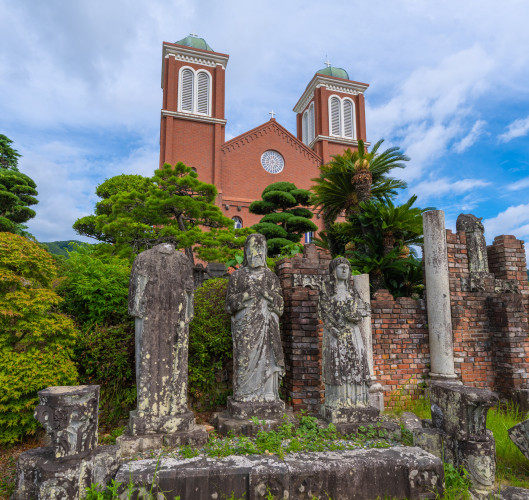
After lunch at Ryushoro, attend Mass at Urakami Cathedral and walk through the tranquil Peace Park. In the evening, step back in time with a private dinner at the historic Ryotei Ichiriki, enjoying classic Shippoku dining paired with elegant, traditional Geisha dance performances.
Originally built in 1914 by local Christians after decades of persecution, Urakami Cathedral was once the largest church in the Orient before being completely destroyed by the atomic bomb in 1945. Rebuilt in 1959, the brick-tiled cathedral stands today as a powerful symbol of faith, resurrection, and peace, housing surviving relics including the famous "Atom-Bombed Mary" statue. As part of our itinerary, we will attend Mass in this monumental sanctuary, joining in prayer alongside the historic local Catholic community.
Perched on a hillside overlooking Nagasaki Harbor, Oura Cathedral is Japan's oldest surviving church, constructed in 1864 by French missionaries to honor the 26 Martyrs of Japan. Designated a National Treasure and part of a UNESCO World Heritage site, it is famous as the setting of the 1865 "Discovery of the Hidden Christians," who secretly emerged after 250 years of underground faith. As part of our visit to this landmark sanctuary, we will explore its historic grounds and pause together for a moment of quiet prayer.
Located near ground zero in Nagasaki, the Nagasaki Atomic Bomb Museum houses a poignant collection of artifacts, photographs, and historical records that document the devastating August 9, 1945 detonation and its lasting aftermath. Through its vivid exhibits, the museum conveys the reality of nuclear warfare while promoting a global message of peace and nuclear abolition. As part of our visit to this solemn site, we will listen to a firsthand testimony from a hibakusha (atomic bomb survivor), offering a deeply personal and unforgettable encounter with history.
Established in 1813 on Nagasaki's historic Teramachi Street, Ryotei Ichiriki is the city's oldest active Japanese restaurant, renowned for creating traditional Nagasaki Shippoku cuisine—a unique culinary fusion of Japanese, Chinese, and Western influences. Rich in Meiji Restoration history, the elegant sukiya-style establishment hosted figures like Sakamoto Ryoma and continues to showcase authentic period architecture overlooking a peaceful inner garden. As part of our special evening itinerary, we will enjoy an exclusive banquet dinner accompanied by traditional dance and musical performances by authentic Nagasaki geisha.
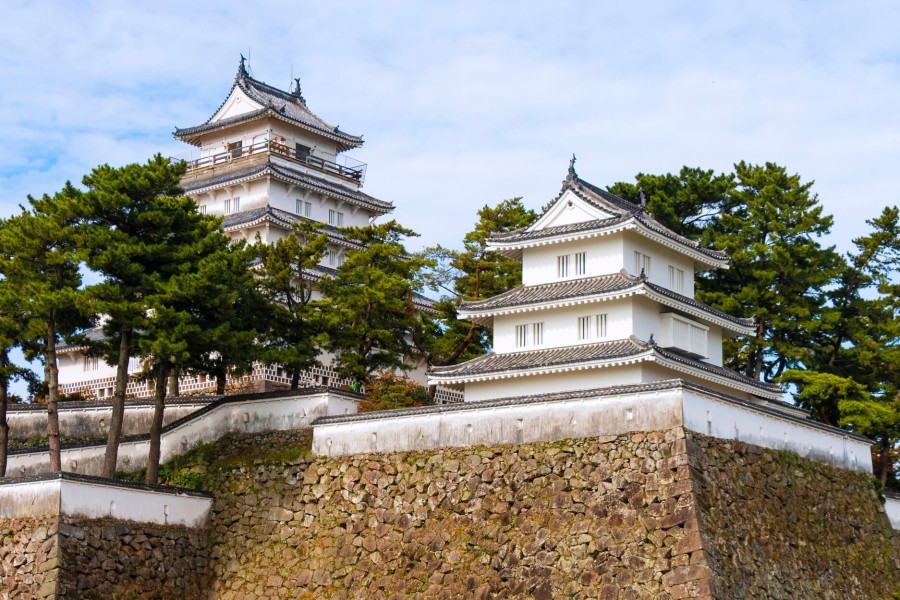
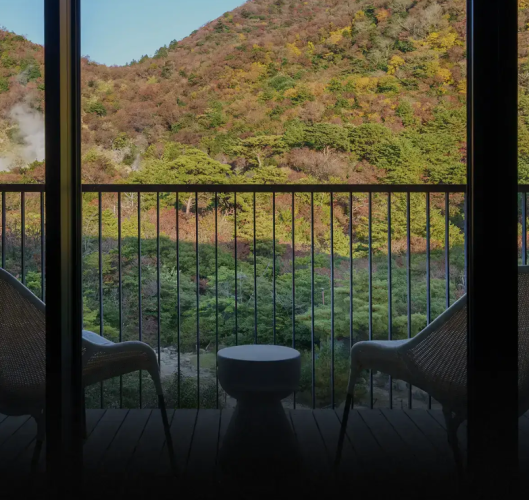
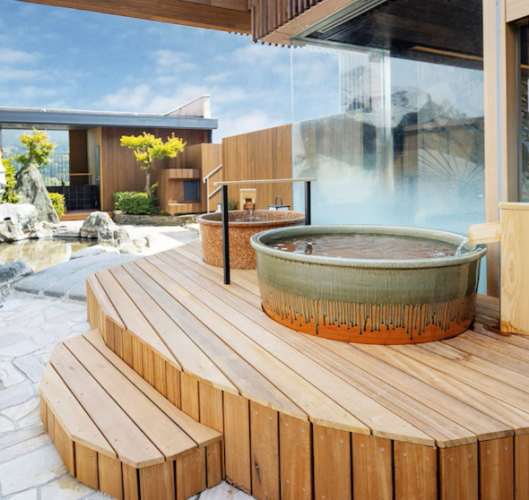
Travel to the Shimabara Peninsula, starting with a classic local lunch of Guzoni at Himematsuya. Explore the majestic Shimabara Castle and learn about the historical Shimabara-Amakusa Rebellion at the Arima Christian Heritage Museum and Hara Castle site. In the afternoon, unleash your creativity at Minamishimabara Art Village "Shirakino" during a hands-on Japanese printmaking experience. Afterwards, retreat into the mountains of Unzen to check into your luxury hot-spring ryokan.
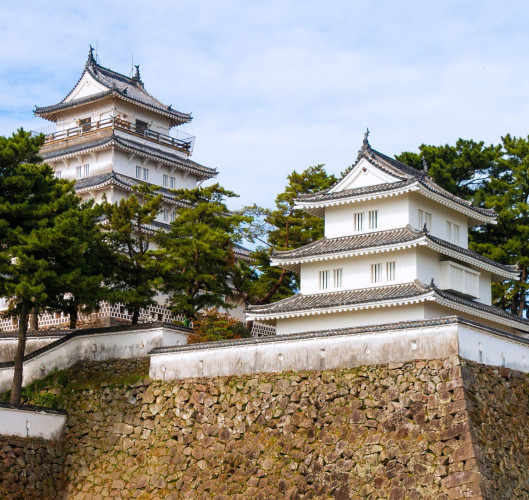
Dominating the landscape of Shimabara City, Shimabara Castle is an impressive five-story white fortress originally built in 1624 by the feudal lord Matsukura Shigemasa. Its excessive taxation and religious persecution triggered the famous Shimabara Rebellion of 1637–1638, a pivotal uprising of local peasants and Hidden Christians. Reconstructed in 1964, the castle now houses a museum showcasing feudal artifacts, samurai armor, and Christian historical relics, which we will explore during our visit to the grounds.
Located near the ruins of Hara Castle in Minamishimabara, the Arima Christian Heritage Museum offers a deep look into the rich and complex history of Christianity in the Shimabara region. The museum's engaging exhibits detail the arrival of early Jesuit missionaries, the flourishment of local Christian culture, and the tragic circumstances surrounding the 1637 Shimabara Rebellion. As part of our itinerary, we will explore the museum's rare artifacts and historical displays to gain valuable context before visiting the nearby castle grounds.
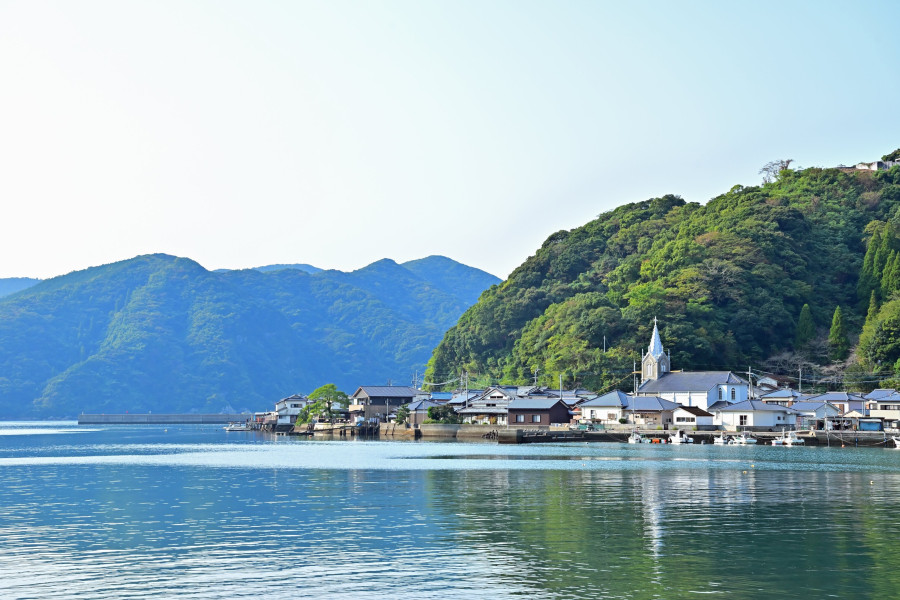
Board a ferry across the peaceful sea to the island region of Amakusa, a sanctuary for Hidden Christians during periods of prohibition. Visit the Tomioka Castle Ruins and Adam Arakawa Memorial Park before enjoying a localized Nanban-style bento lunch. Explore the peaceful waterside setting of Sakitsu Village and Sakitsu Church, where traditional Christian iconography was subtly blended with local fishing culture. Return via ferry to Unzen for your evening stay.
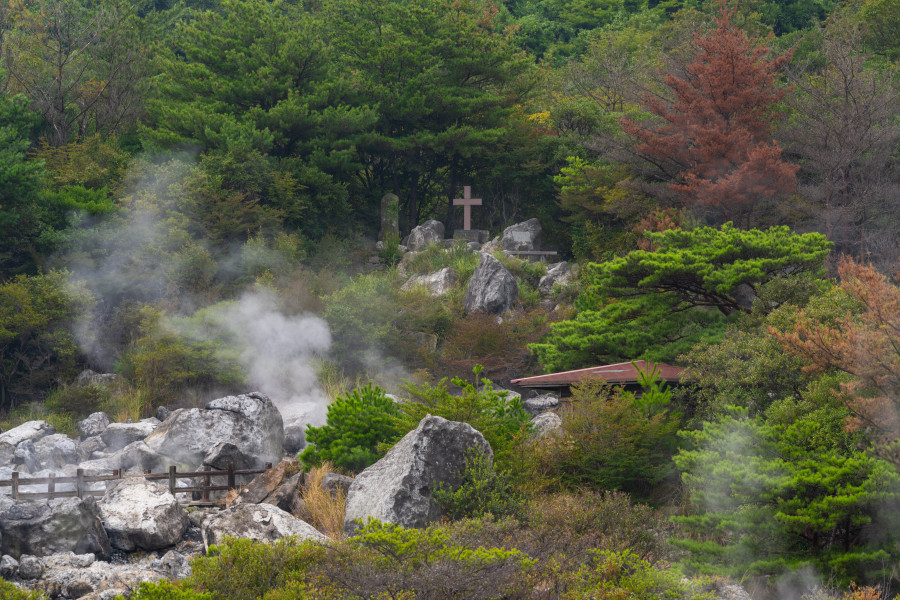
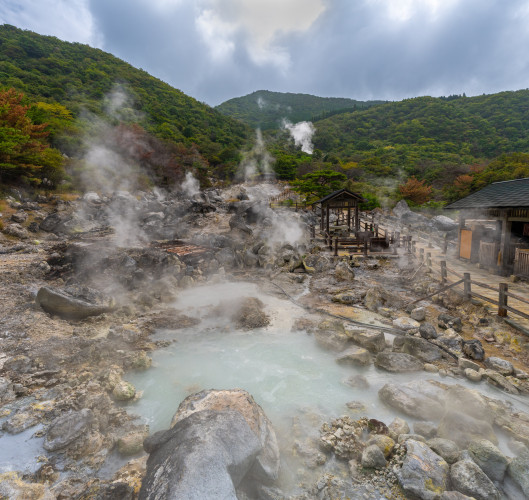
On your final morning, take a walking tour through Unzen Jigoku ("Unzen Hells"), witnessing steaming sulfur vents that carry both geothermal beauty and historical solemnity. Attend a final Mass at Catholic Unzen Church to pray for the early martyrs of the region. On the return drive northward, guests may disembark at Nagasaki Airport or continue with the group to Hakata Station in Fukuoka, where our journey concludes.
Situated within Unzen-Amakusa National Park, Unzen Jigoku ("Unzen Hells") is a dramatic geothermal field filled with roaring steam vents, bubbling mud pits, and a pervasive scent of sulfur. Beyond its natural beauty, this stark landscape holds profound religious significance as the tragic martyrdom site where dozens of Japanese Christians were tortured and executed in the boiling spring waters during the 17th-century persecutions. As part of our visit to these geothermal grounds, we will walk the wooden pathways, pause at the memorial monuments, and offer a prayer for those who suffered for their faith.
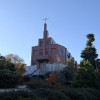
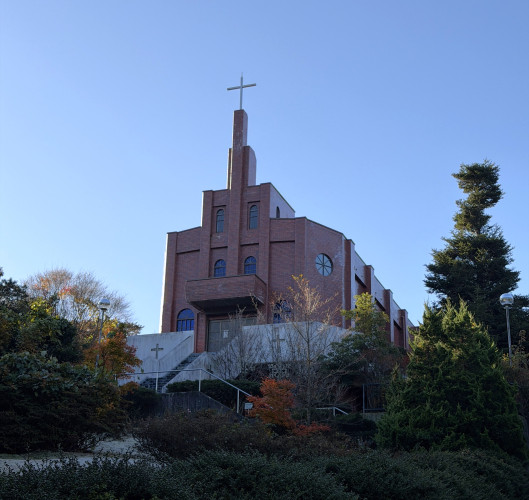
Located in the serene mountain hot-spring resort town of Unzen, Unzen Catholic Church stands as a peaceful sanctuary built in memory of the many Japanese Christians martyred in the nearby geothermal hells (jigoku). Consecrated in 1981, the chapel features vibrant stained-glass windows crafted in France that depict scenes of faith, suffering, and resurrection. As part of our itinerary, we will gather in this tranquil mountain chapel to celebrate Mass together and honor the enduring legacy of the local martyrs.
Review the following information before contacting us.